The forecast said partly cloudy. It always says partly cloudy. The difference between a miserable night and a genuinely good one in extreme conditions isn’t luck — it’s having the right gear dialed in before you leave the trailhead, and knowing what to do when things go sideways anyway. Here’s what actually works across the four weather situations most likely to test you.
Before You Go: The Non-Negotiables
Check the forecast obsessively, then assume it’s wrong. Weather apps are useful for planning; they’re unreliable for trusting. Before any trip into exposed terrain, understand the historical patterns for your destination and season — average lows, typical wind speed, precipitation probability. The National Weather Service’s point forecast is more granular than any app and free to use.
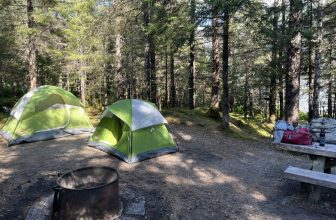
Two pieces of gear cover you across almost every condition: a shelter rated beyond your expected conditions, and a sleep system with more warmth than you think you’ll need. The Big Agnes Copper Spur HV UL2 handles three-season nasty weather well; for anything pushing true alpine conditions, step up to a four-season tent like the MSR Access 2. For sleeping bags, go at least 10°F below your expected low. You will not regret it.
Heat: The Underrated Killer
People respect cold. Heat kills quietly. Dehydration and heat exhaustion sneak up on you — by the time you feel thirsty in 95-degree desert sun, you’re already behind.
Drink before you’re thirsty, consistently, all day. The rule of thumb is half a liter per hour of moderate activity in the heat, more if you’re pushing hard. The Katadyn BeFree filter lets you refill from any water source in seconds, which removes every excuse for running dry.
Time your activity around the sun. Move in the early morning and evening; rest in shade from roughly 10 a.m. to 4 p.m. Use a tarp — the Sea to Summit Escapist is bomber and weighs almost nothing — to extend your shade footprint. A sun hoody (Outdoor Research Echo Hoody is our pick) covers your arms all day without making you feel like you’re wearing a furnace.
Cold: Moisture Is the Real Enemy
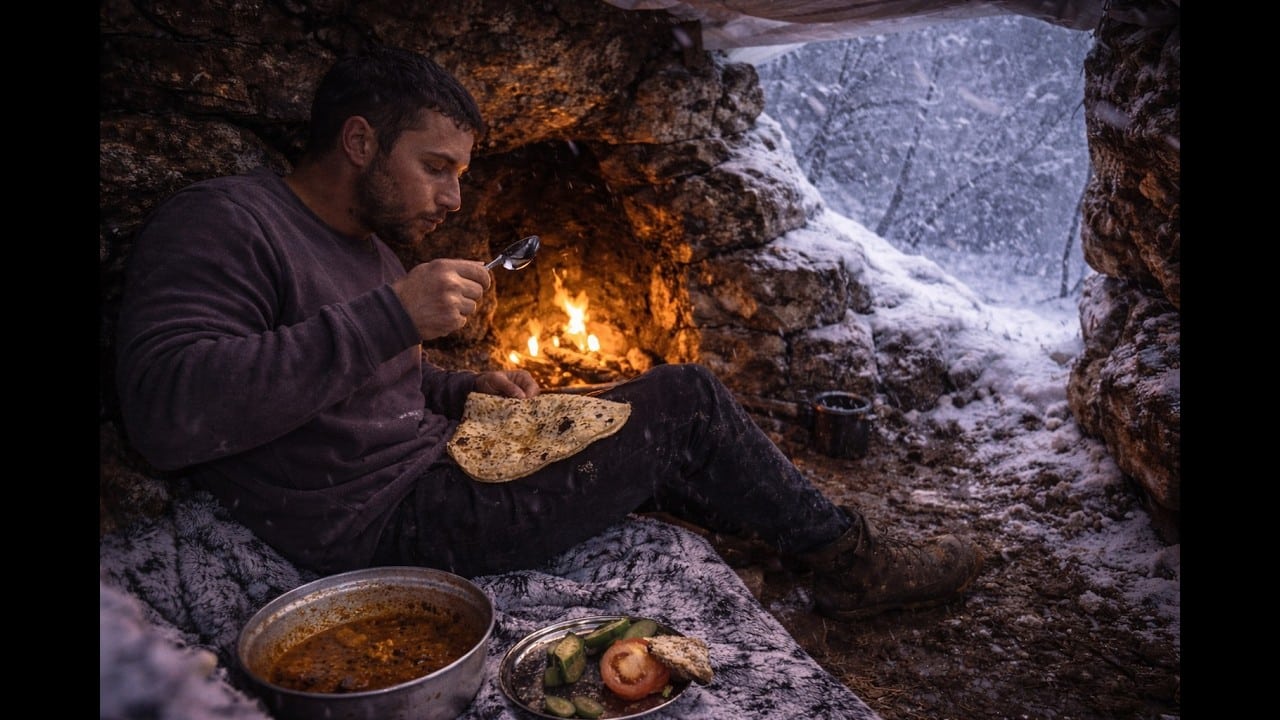
Hypothermia doesn’t require a blizzard. It starts at 50°F with wet clothes and wind. The entire game in cold-weather camping is staying dry — which means managing sweat as aggressively as you manage external moisture.
Merino base layer against the skin (Smartwool Classic All-Season Crew), a midlayer that insulates even when damp (Patagonia Nano Puff or a fleece), and a hardshell that actually breathes (Arc’teryx Beta LT). That’s the system. The most common mistake is wearing too much too early, sweating through your base layer, and never fully recovering.
Inside your shelter: a four-season sleeping bag liner adds 10–15°F of warmth for almost no weight, and a sleeping pad with an R-value of at least 4.0 is non-negotiable on frozen ground. Your body loses more heat to conduction through the ground than to convection through cold air — a thin pad will betray you every time.
Never use a stove or fire inside a tent. Carbon monoxide poisoning is fast, silent, and not how you want the trip to end.
Rain: Camp Positioning Is Everything
You can have the best rain gear on the market and still be miserable if your tent is sitting in a drainage path. Before you stake anything down, read the ground. Look uphill from your site — where does water go when it really comes down? You want slightly elevated, well-drained ground with natural wind protection, not the flat, inviting spot at the base of a slope.
A fully seam-sealed tent (double-check the seams on anything more than a season old) plus a tarp strung overhead gives you a usable vestibule even in steady rain — somewhere to cook, strip wet gear, and not track mud into your sleep space. Keep everything not immediately in use packed in dry bags inside your tent. Wet gear that stays wet becomes a morale problem fast.
Breathable rain gear, done right: the outer layer ventilates while you move, but sealed up tight in heavy rain it’ll trap sweat. Open pit zips, slow down, and accept that you’ll be damp from the inside no matter what — the goal is managing it, not eliminating it.
Wind: Anchor Deep, Camp Low
Wind is the condition most people underestimate until their tent is doing something it wasn’t designed to do at 2 a.m. The fix is mostly campsite selection: find a natural windbreak — a rock wall, a ridgeline, dense trees — and get behind it. A freestanding tent in an exposed meadow with its stock stakes is not a safe setup in 40-mph gusts.
Stake every guyline. Add rocks or logs to reinforce stakes in soft ground. In a dome tent, orient the lowest-profile end toward the prevailing wind. If conditions are escalating beyond what you planned for, don’t wait — get lower. Ridge camps look dramatic; they’re also where tents go airborne.
Protect your eyes in high wind: even fine grit at speed causes real damage. Tifosi Sledge glasses or ski goggles depending on severity.
The Real Skill Is Staying Calm
Extreme weather camping isn’t about toughing it out — it’s about making smart decisions with good gear before the situation forces a bad one. The campers who thrive in rough conditions aren’t the ones who ignore the weather; they’re the ones who prepared for it two weeks before the trip and adjusted on the fly when it deviated from the plan anyway.